PFAS — per- and polyfluoroalkyl substances, often called "forever chemicals" — are a family of thousands of synthetic compounds used in nonstick, stain-resistant, and waterproof products. They break down extremely slowly and have been detected in drinking water across the country. In 2024 they became the subject of the most significant US drinking-water rule in decades.
What the EPA rule did
In April 2024 the EPA finalized the first National Primary Drinking Water Regulation for PFAS, setting enforceable limits where none existed federally before. The headline numbers: 4 parts per trillion (ppt) for PFOA and PFOS — the two most-studied compounds — with additional limits for PFHxS, PFNA, and GenX (HFPO-DA), plus a "Hazard Index" for mixtures. Details are on the EPA's PFAS drinking water page.
To put 4 ppt in perspective, that's roughly four drops in a thousand Olympic swimming pools — a limit set deliberately low because health research links PFAS exposure to effects on the immune system, cholesterol, and certain cancers.
Where things stand now
The rule has since faced reconsideration and litigation. As of 2026, compliance timelines have shifted and the limits for some of the compounds are under federal review, even as a number of states move to tighten their own PFAS oversight. Because the regulatory picture is still moving, treat specific deadlines as provisional and check the EPA's PFAS page for the current status — we also track developments on the Water Pulse.
How PFAS gets into water
- Industrial discharges and manufacturing sites
- Firefighting foam (AFFF), especially near airports and military bases
- Landfills and biosolids applied to farmland
- Wastewater that isn't designed to remove PFAS
What you can actually do
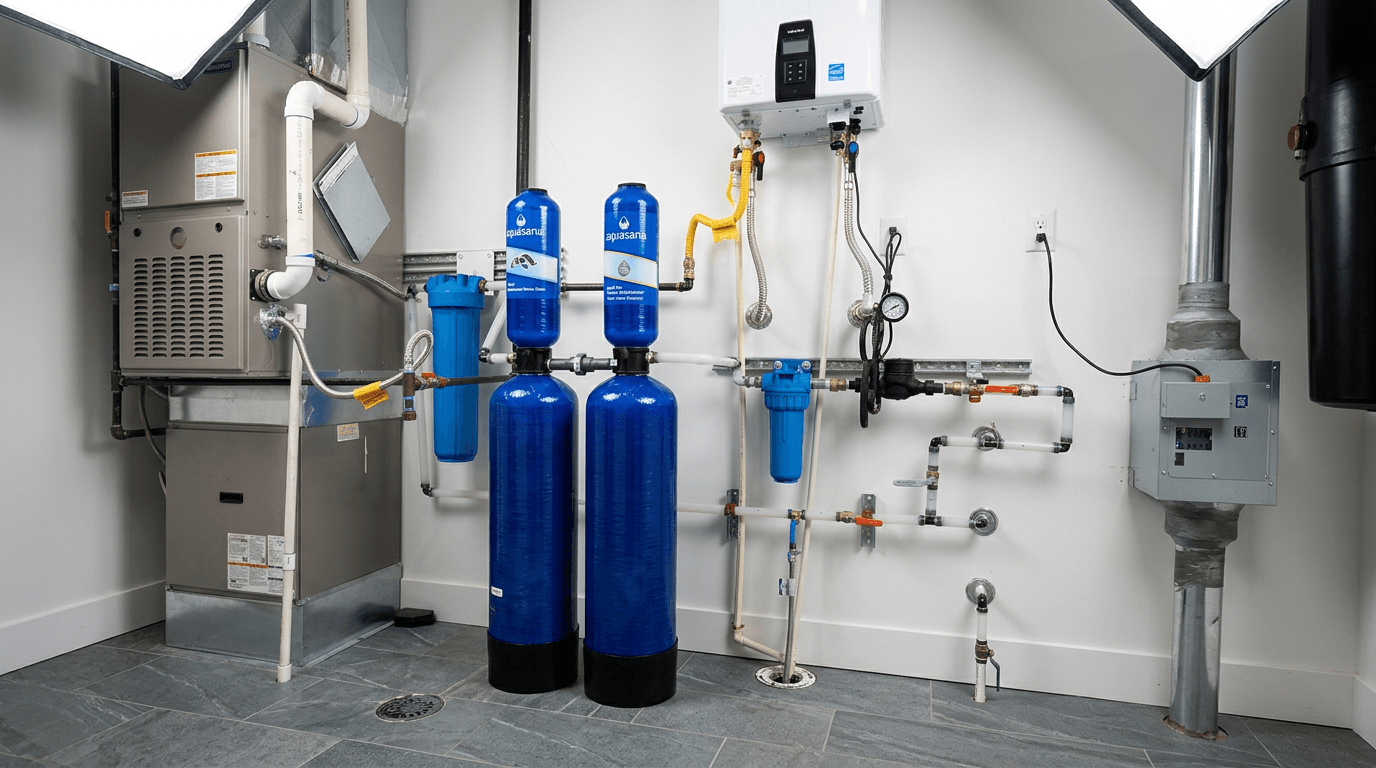
PFAS is invisible, odorless, and tasteless, so testing is the only way to know your levels — use a lab certified for PFAS (standard kits don't measure it). For treatment, three technologies are proven to reduce PFAS: reverse osmosis, activated carbon, and ion exchange. Look for a filter independently certified to NSF/ANSI standards for PFOA/PFOS reduction — see how to choose a water filter.
The bottom line
PFAS is a real, well-documented concern, and federal limits are a major step — but the rule is still settling, and enforcement varies. Find out whether PFAS has been detected in your system via your water report and your utility's reports, and use a certified filter if you want to reduce exposure now rather than wait on the regulatory timeline.